John Thomas Pesta
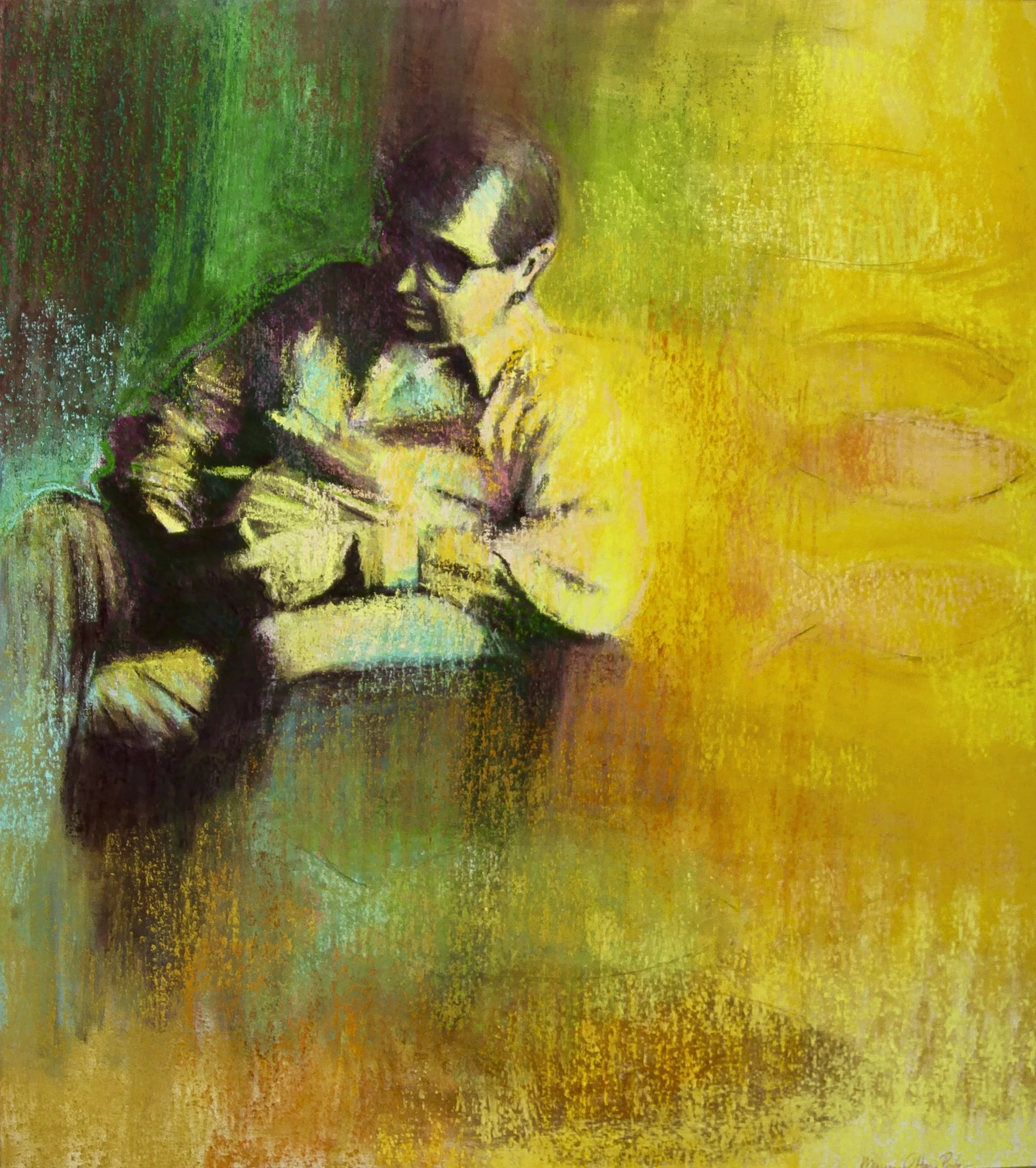
Pastel painting by Maureen O’Hara Pesta
John Thomas Pesta, newspaper editor, English professor, literary-magazine founder and author of mystery novels who once wrestled a tiger at the county fair, died on the evening of Tuesday, Sept. 5, 2023, at his home in Starve Hollow, Indiana, where he lived for a half-century.
John was 80 years old. He was also many other things: Opinionated. Creative. Intensely supportive of his family. A stickler for grammar.
As the owner and editor of “The Brownstown Banner” newspaper in southern Indiana for nearly 20 years, he was a fierce champion of the tight-knit rural community where he settled in the 1970s and spent the rest of his life.
Born in Allentown, Pennsylvania, in 1943, John was the only son of a Hungarian house-painter, a man of such modest means that he grew up in a home with a sod roof, and a firebrand Italian seamstress whose rebellion against her own family's deeply traditional Italian ways was to marry a tough Hungarian house-painter.
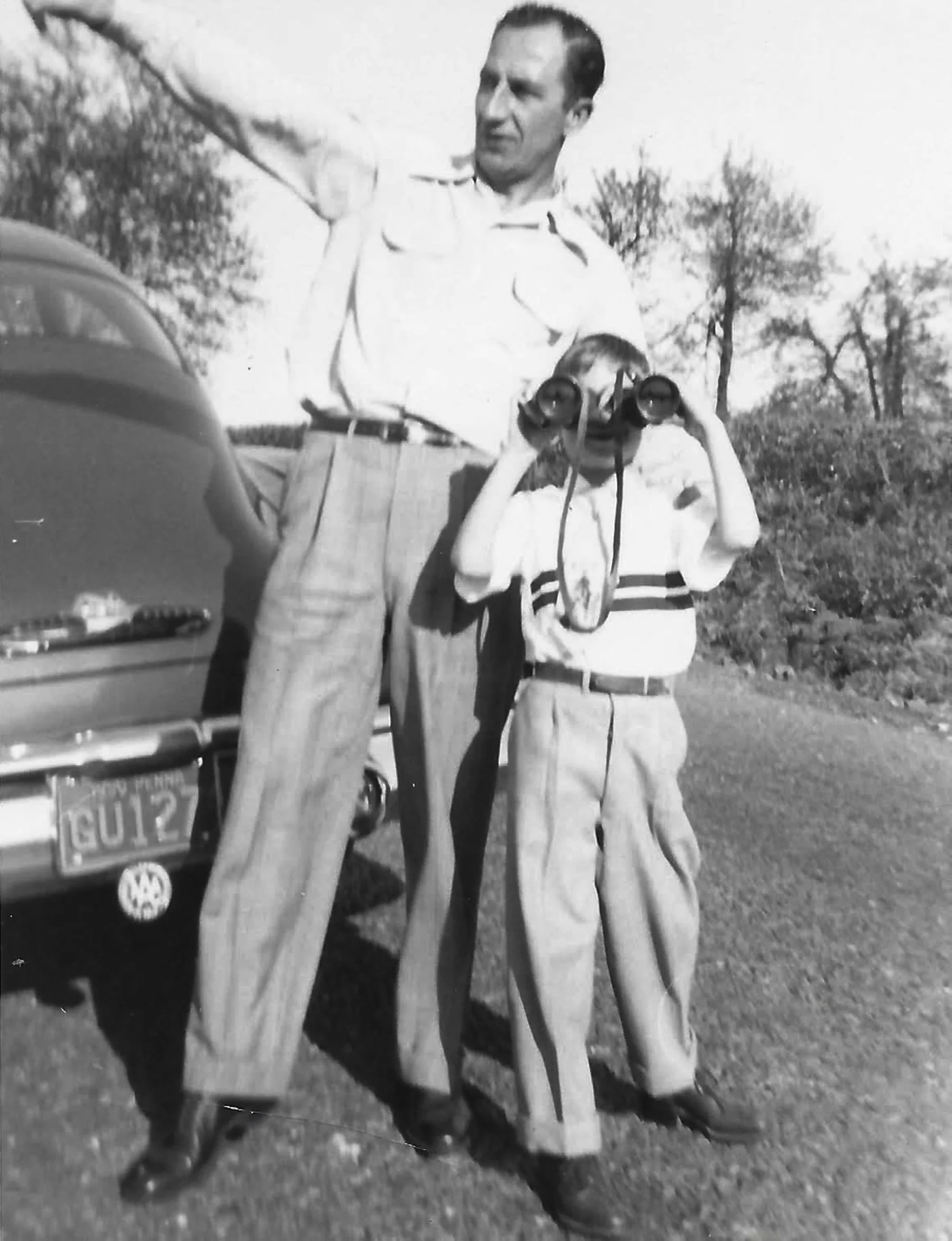
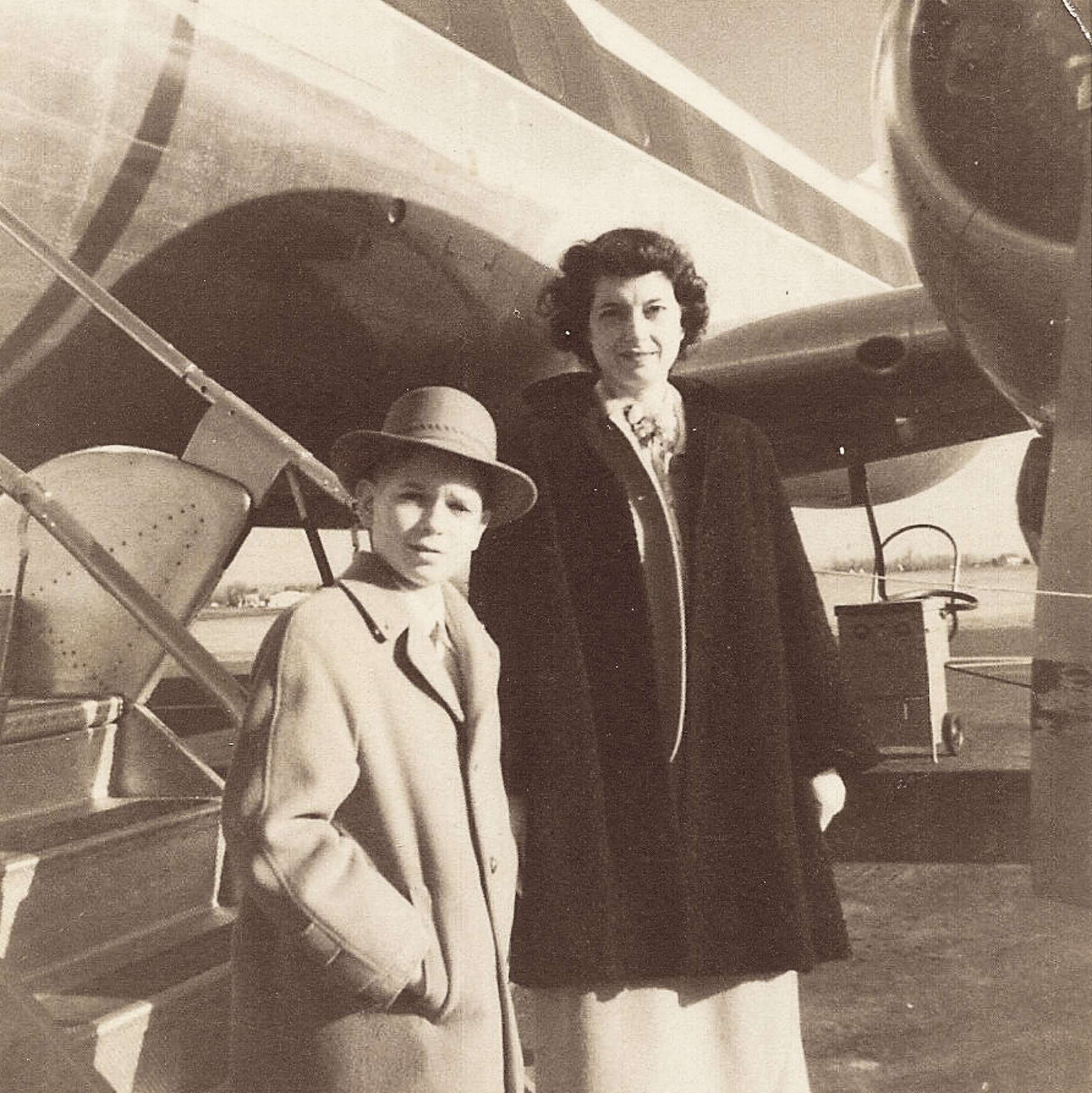
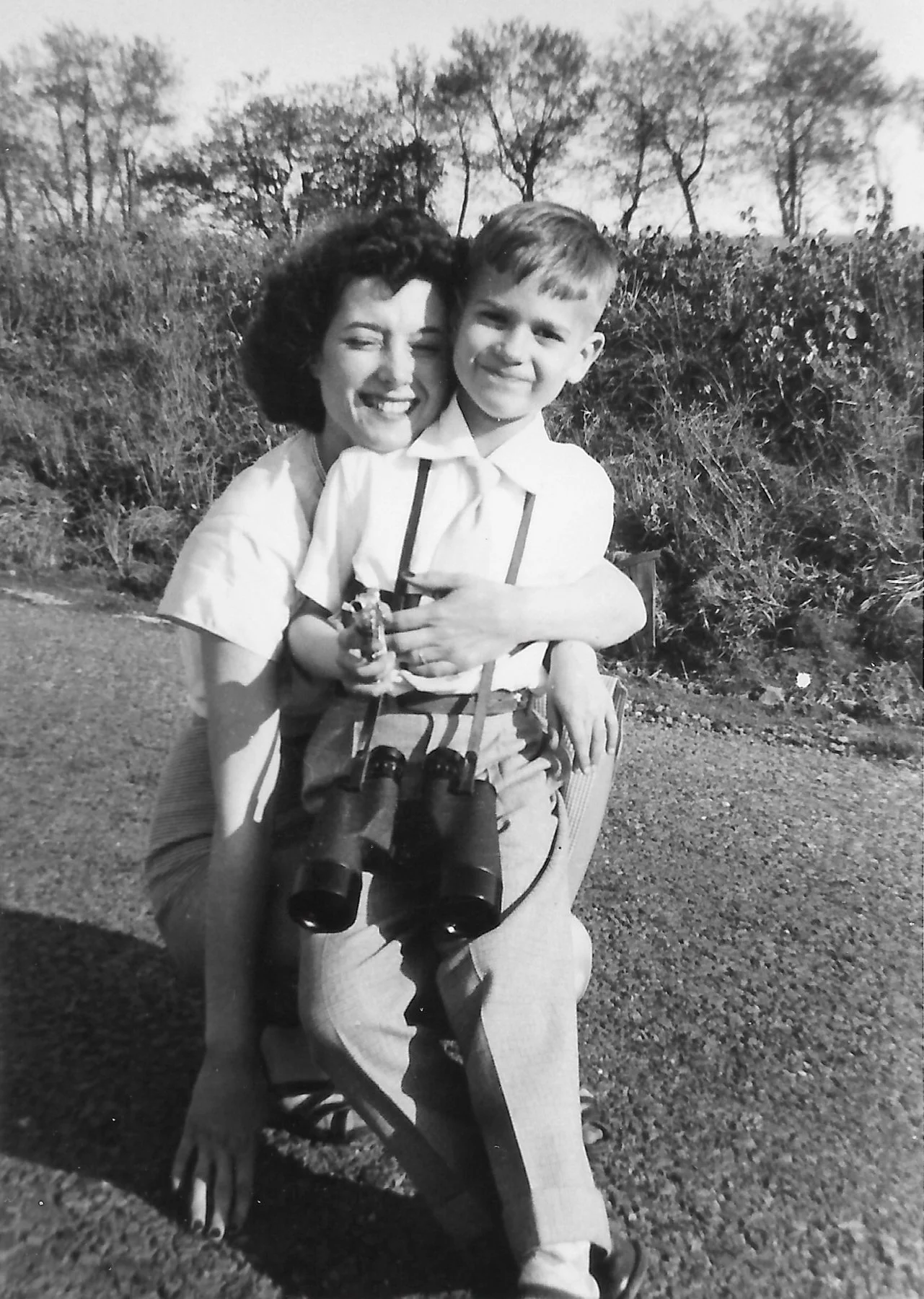
John Aloysius Pesta, Angeline (Palladino) Pesta, John Thomas Pesta
At Central Catholic High School in Allentown, John was a star student sometimes tasked with chauffeuring nuns in his Volkswagen Beetle. But at least once he had a serious clash with the school, foreshadowing his later interest in journalism. As a reporter for the school newspaper, he had interviewed and written a piece on Ammon Hennacy, the renowned Catholic pacifist and tax resister — but school administrators refused to publish an article about a man who openly advocated against paying taxes.
It was a tale that John enjoyed retelling for years, along with a story about the time he was driving two nuns somewhere late at night, but his car ran out of gas, prompting the nuns to start praying and saying their rosaries while he figured out what to do.
John graduated Central Catholic in 1961 as salutatorian.
As a teenager, John wrote short stories published in numerous science-fiction “zines” of the era, hand-made, stapled-together publications with names like “The Maelstrom,” “Mirage” and “Insurrection.” Notably in one such zine, called “Yandro” and published August 1960, one of John’s short stories (a creepy tale of a mysterious and dangerous pair of mirrors bought in an antique shop) appeared alongside a poem written by another young writer, Roger Ebert, presumably the renowned future film critic.
This kind of fiction writing was the start of a lifelong interest for John. Over the decades, he wrote dozens of short stories that were published in acclaimed literary magazines including “The Florida Review,” “Kansas Quarterly,” “The Bridge,” “Prairie Schooner,” “Sou’wester,” “Farmer’s Market,” “Flying Island,” “Green River Review” and others.
John went to the University of Notre Dame, where he set his sights on a career as a professor of English. There he became a protege of the legendary English teacher Frank O’Malley, joining a group of favored students known as O’Malley’s Boys. He liked to tell how O’Malley would invite his students over to talk about literature and things, and while sitting there he’d smoke a cigarette and then flip the butt out the window — forgetting he’d closed the window screen. So the butt would bounce back into the room and hit the floor to join other cigarette butts that had previously bounced there.
John also worked as a short order cook, on an overnight shift, because it paid more than his other job, writing obituaries for the Allentown “Morning Call” newspaper.
At Notre Dame he met his future wife, Maureen O’Hara, a student at Saint Mary’s College, at a banquet for the editors of the two schools’ literary magazines. He graduated with honors in 1965, and the two were wed that year.
Shortly after getting married, John made one of those life decisions that has been met with decades of eye-rolling in the Pesta family. It was around this time that he was offered a spot in the English program at Harvard University with a one-year full scholarship — but he said no thanks. Instead, he went to the University of Virginia, which had offered two years and for John, knowing he would be starting a family soon, the financial cushion was the deciding factor.
He graduated with a Master’s degree in English from the University of Virginia in 1966, then studied for a year at the University of London on a Fulbright fellowship. Rather than flying to London, he and Maureen traveled by steamship, aboard the historic ocean liner the S.S. United States.
Their son, Jesse, was born in Charlottesville, Virginia, in 1966. Three years later their daughter, Abigail, was born in London.
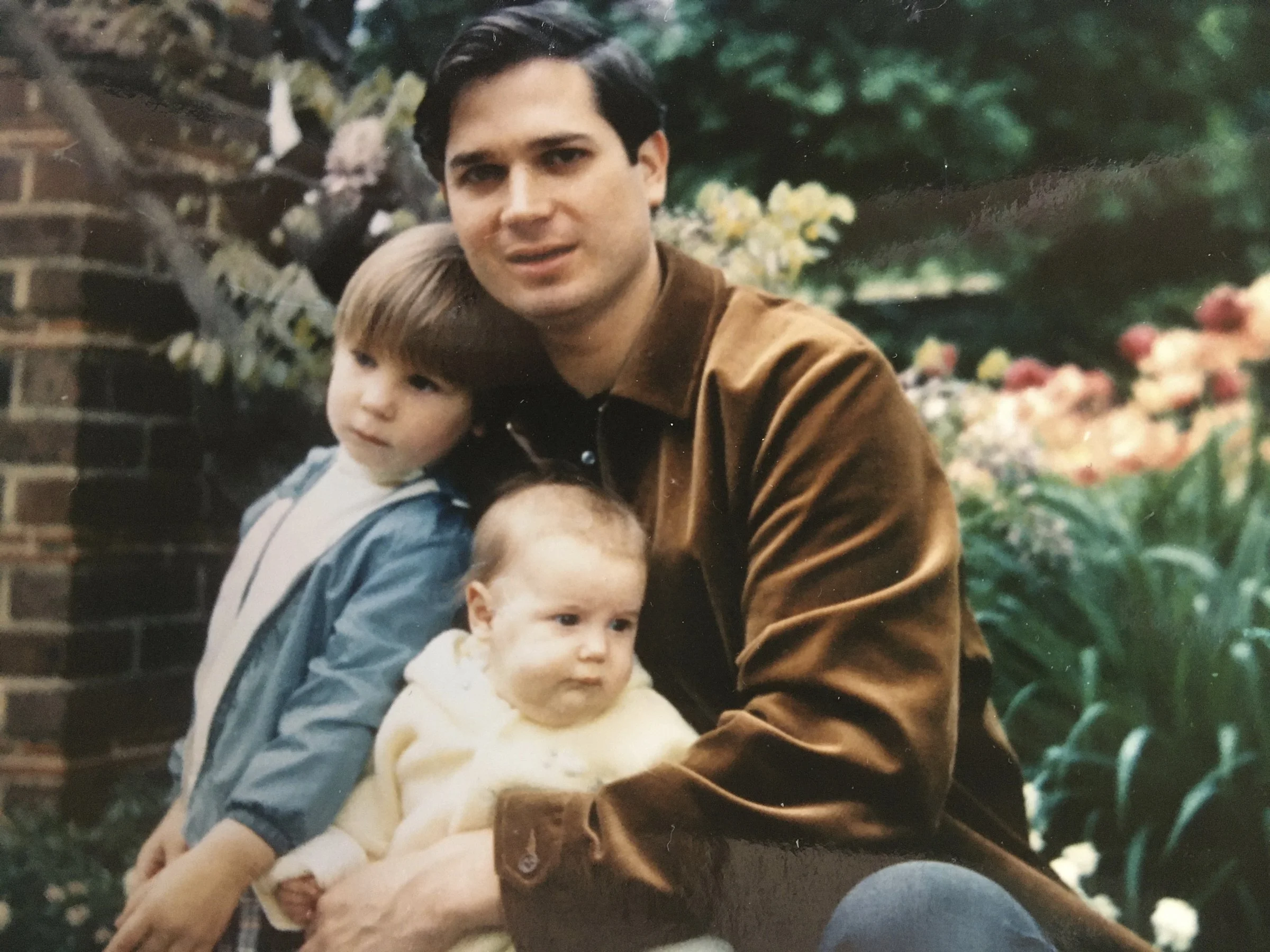
John’s academic work from this period of his life, in particular his critical analysis of Harold Pinter, the British playwright and Nobel laureate, continues to be cited by academicians today, more than a half-century later.
After graduation John took a teaching position at the University of Wisconsin-Parkside, and quickly decided an academic career wasn’t for him. That realization would redefine his life.
He moved to the rural Midwest and became the editor of “The County Press,” a tiny newspaper in Salem, Indiana, where, in one of the more ill-considered business promotional schemes, he agreed to publicly wrestle a tiger at the Washington County Fair to promote the newspaper that he now edited.
The tiger’s trainer told John he’d be fine, just as long as he didn’t turn his back to the cat.
John forgot.
The cat attacked.
Luckily, though, he remembered the trainer’s other instruction: Lie down flat and play dead.
In March 1972, John and Maureen purchased “The Brownstown Banner,” a more-than-a-century-old newspaper in Brownstown, Indiana, which they owned first in partnership with Harry Kindred, and later with Walt McCormick, before becoming the sole proprietors.
As editor and publisher for nearly 20 years, John wrote, edited and published countless articles — editorials, stories about high-school sports teams and Superfund waste dumps, reports of giant pumpkins and dead rattlesnakes. And once (one he particularly enjoyed remembering) a newsy photo of a whippoorwill that had built an exquisitely camouflaged nest, hidden in the right middle of a gravel parking lot.
He expanded the business, first installing a King Press newspaper printing press in order to print other small-town newspapers in the region. He founded “The Austin-Crothersville News” in southern Indiana with James “Grady” Gunter, and purchased “The Sturgis News” in Sturgis, Kentucky.
During this time, the “Banner” and his other properties also became surely some of the first newspapers in America to be fully typeset on a brand-new kind of machine, the Apple computers and laser printers that began appearing in the mid-1980s.
That meant making the leap from ancient, steaming, clanking Linotype machines, which created text by casting molten lead into individual words and lines, to using desktop PCs at the very dawn of the personal computer era. Anyone who’s seen an actual Linotype in action knows that navigating the transition from Linotypes to Apple computers is, essentially, to experience time travel.
John also founded Banner Cablevision, bringing cable TV to the town for the first time and designing a special channel broadcasting local news. He liked to joke that he had built the tallest thing in Brownstown, the cable antenna that towered over downtown for decades, its red blinking light visible at night from as far away as Skyline Drive.
After selling the business in 1989 and going into semi-retirement, John wrote and edited textbooks at the Agency for Instructional Technology in Bloomington, Indiana, and taught English for years at Ivy Tech community college and then in the network of schools known as Indiana University-Purdue University Indianapolis, a research-university partnership between the two schools.
While teaching in the IU-Purdue system in the 1990s, John founded a student literary magazine, “Literalines,” now known as “Talking Leaves.” In 2021 he was awarded the school’s Champion of Liberal Arts award for the founding of the magazine on the occasion of its 25th anniversary.
But John’s first love, throughout his life, was fiction writing. For years, he would come home from work and write into the wee hours, working on his short stories and novels. John is the author of two mystery novels, “Safely Buried” and “The More You Stir It.”
Both follow the investigative adventures of a small-town newspaperman embroiled in dramas that expose the secrets of a community where people are willing to go to great lengths to keep the past hidden.
“Safely Buried” was named Best Book of Fiction in 2012 in an annual competition organized by the Indiana State Library. John’s mystery writing has received other awards including at the London Book Festival and the Independent Publisher Book Awards.
His period novel, “Crates,” tells the story of a young woman searching for freedom and identity in tradition-bound 1950s America, and her young son coming of age in a broken family. In 2020, many of his short stories were published as a collection, “King of the Yellow Jackets,” named for a story originally published in 1990 in the literary magazine“The Florida Review.”
The experiences of the characters he invented are equal parts funny, tragic and poignant, and reflect John’s lifetime of fascination with people from all walks of life.
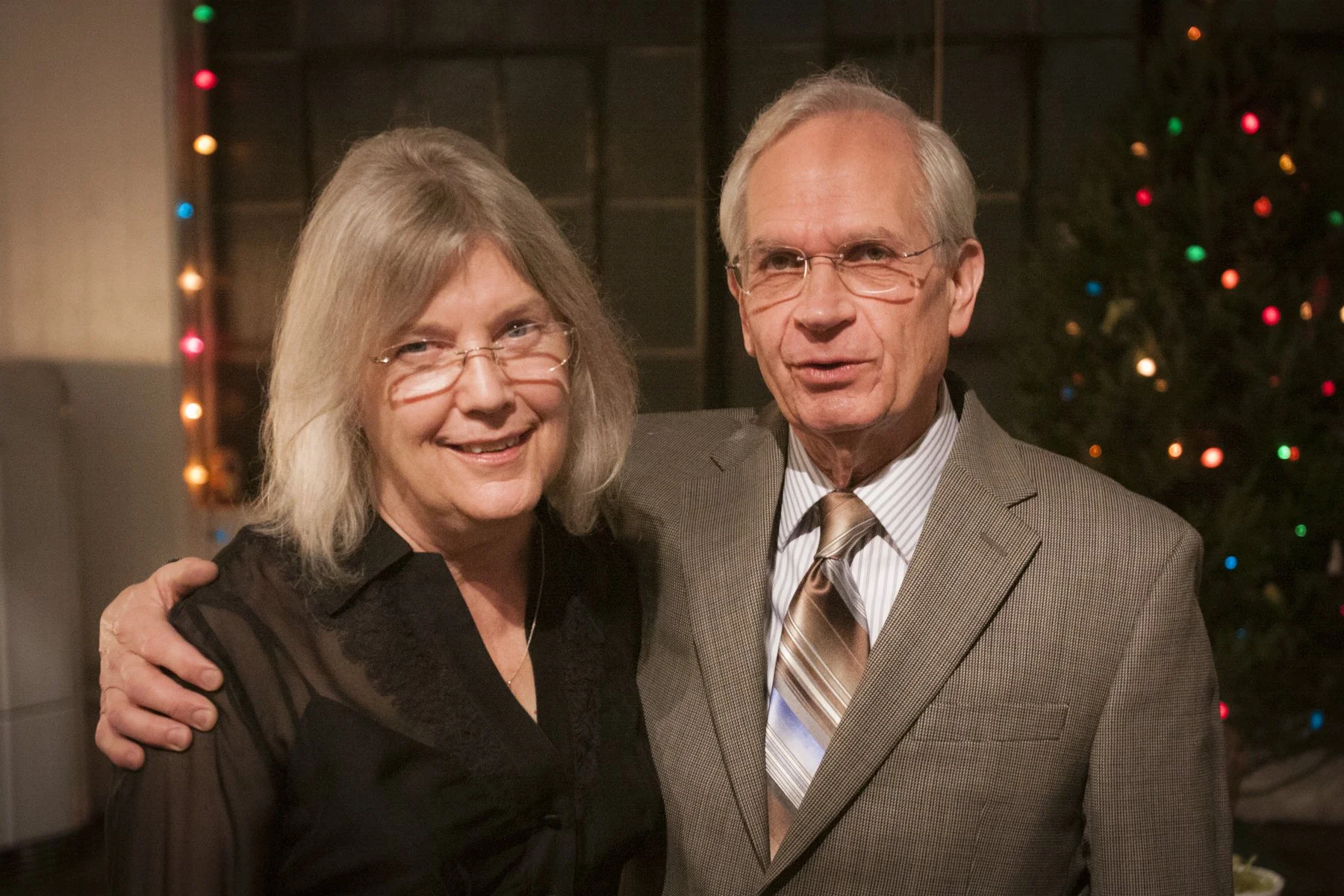
John died six days shy of his 58th wedding anniversary.
He is survived by his wife, the artist Maureen O’Hara Pesta of Vallonia, Indiana; son Jesse Pesta, an editor at The New York Times in New York City; daughter Abigail Pesta, author and journalist in Philadelphia, Pennsylvania; and son-in-law Joel Oestreich, professor of Politics and Global Studies at Drexel University in Philadelphia.
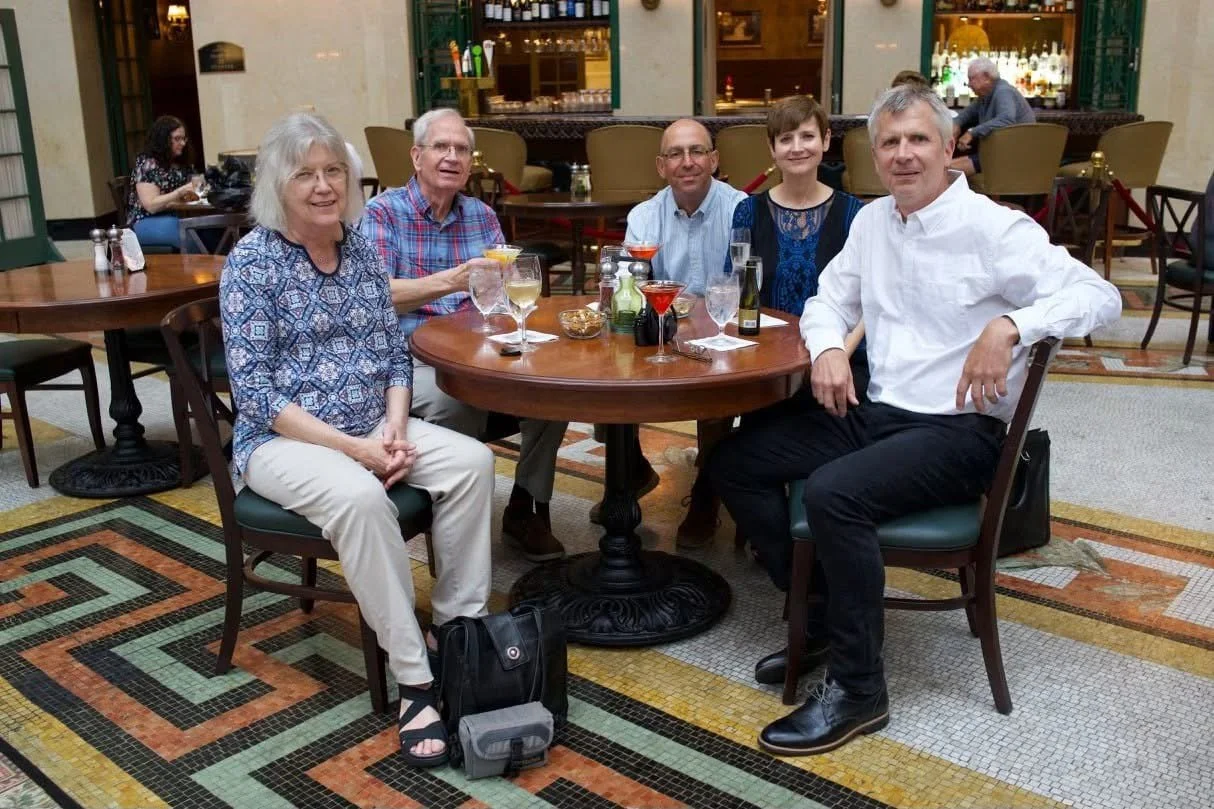
He was preceded in death by his parents, John Aloysius Pesta and Angeline (Palladino) Pesta.
John was a member of Our Lady of Providence Catholic Church in Brownstown until its closure, and more recently a member of Saint Ambrose Catholic Church in Seymour, Indiana.
In John’s final years, he received priceless help and attention from wonderful caregivers including Nikki Lu Hickman of North Vernon, Indiana, who devoted herself to him for more than two years and became a dear friend.
A memorial picnic was held Saturday, September 9, 2023, at the Skyline Drive Shelter House, in the state forest area outside Brownstown at the top of Skyline Drive.
In John’s memory, friends are invited to make a gift to “Talking Leaves,” the student literary magazine he founded, which is now administered by Indiana University.